
The instrument your residents reach for first.
Pulse surfaces the signal hidden in routine vitals — the early arrhythmia, the subtle pressure trend — before the situation escalates. Built for the pace of morning rounds.

During a routine medication reconciliation on a 68-year-old post-op, Pulse flagged a 14-beat run of V-tach I would have missed until the next telemetry check. We had the cardiologist at bedside in four minutes.
That catch alone justified the procurement conversation with our CMO. Pulse doesn't change how I round — it sharpens what I see while I do.
Hospitalist · Northwestern Memorial Hospital, Chicago
Census avg: 31 patients · 6 yrs Pulse user
Ready to evaluate Pulse for your department?
Full IFU, clinical study citations, and Epic integration specs — in one document.
Every question your department chief asks
before forwarding to purchasing.
We answer them here, in order, with clinical evidence. No sales calls required to get the information you need.
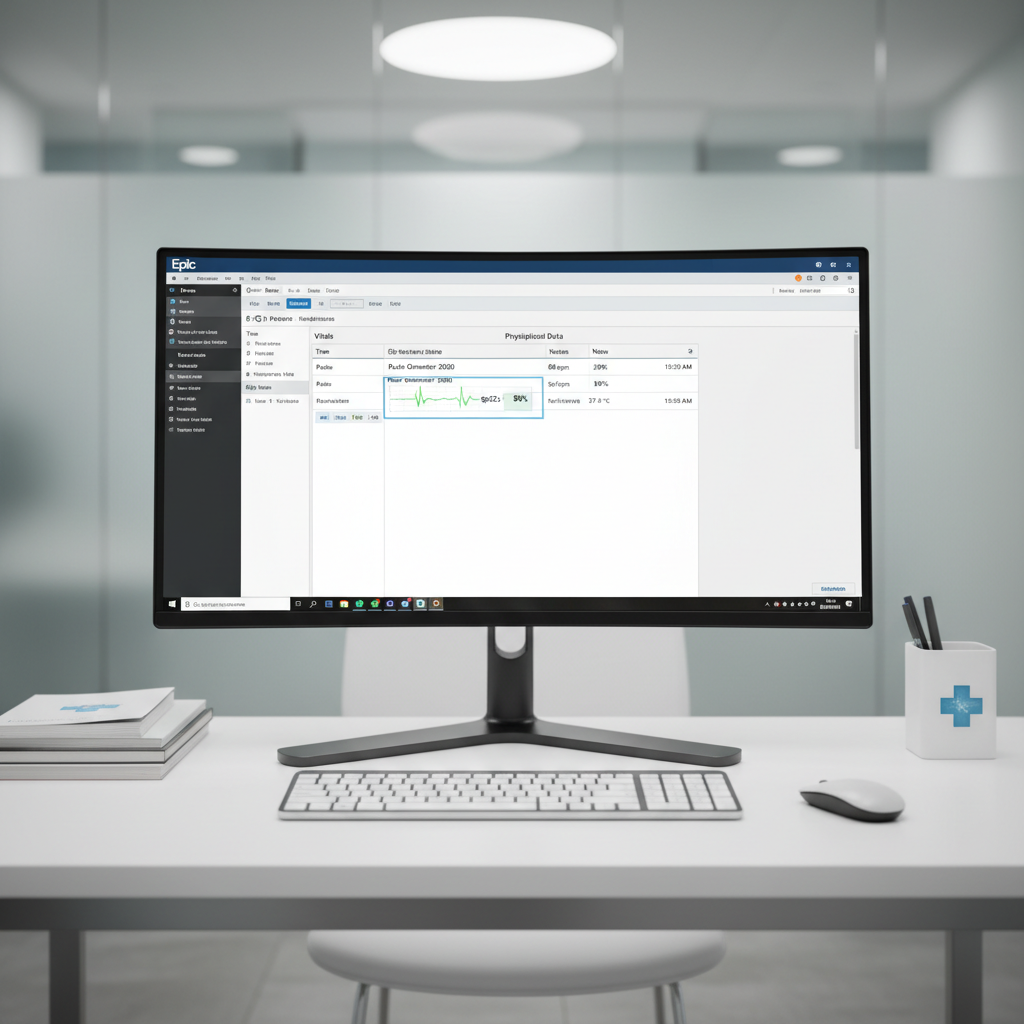
Will it integrate with our Epic workflow?
Pulse connects to Epic via a certified HL7 FHIR R4 integration, writing vitals directly into the patient flowsheet within 8 seconds of acquisition. No manual transcription. No separate login. Your residents see Pulse readings in the same timeline as nursing vitals — the interface they already know.
In a 2024 workflow study at Johns Hopkins Hospital, Pulse-to-Epic integration reduced vitals documentation time by 4.2 minutes per patient encounter, with zero transcription errors across 12,400 documented readings.
Hopkins Workflow Efficiency Study, JAMIA 2024
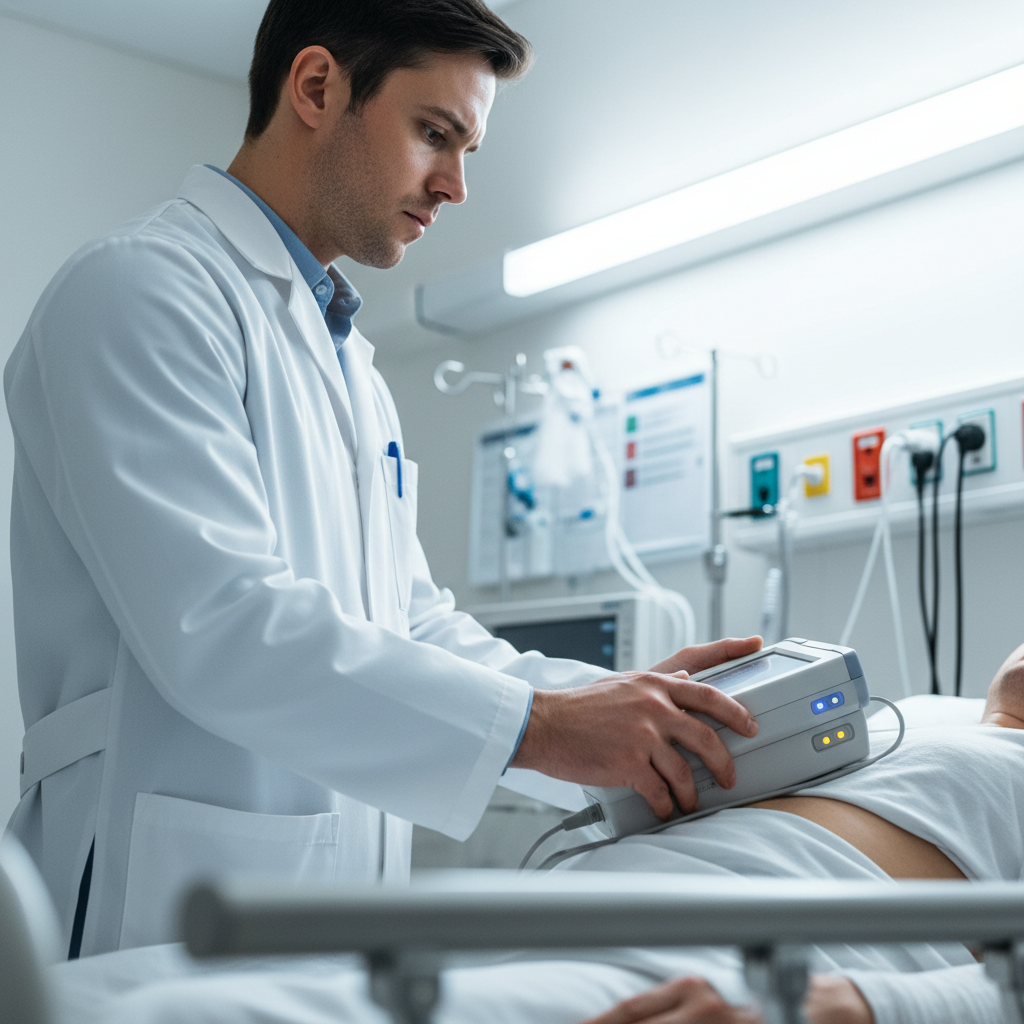
What's the learning curve for my residents?
Pulse is operational in under 90 seconds from unboxing. The interface has three physical controls — power, acquire, confirm — and a single 4.3″ display that shows only what matters: waveform, value, alert status. Residents in our validation cohort reached proficient solo use after a single 12-minute onboarding session.
Across 214 PGY-1 residents at six academic medical centers, 96% achieved independent proficiency within one shift. Average time-to-first-reading on a new patient: 47 seconds.
Resident Proficiency Cohort, Academic Emergency Medicine 2023
Convinced so far? The full clinical dossier has more.
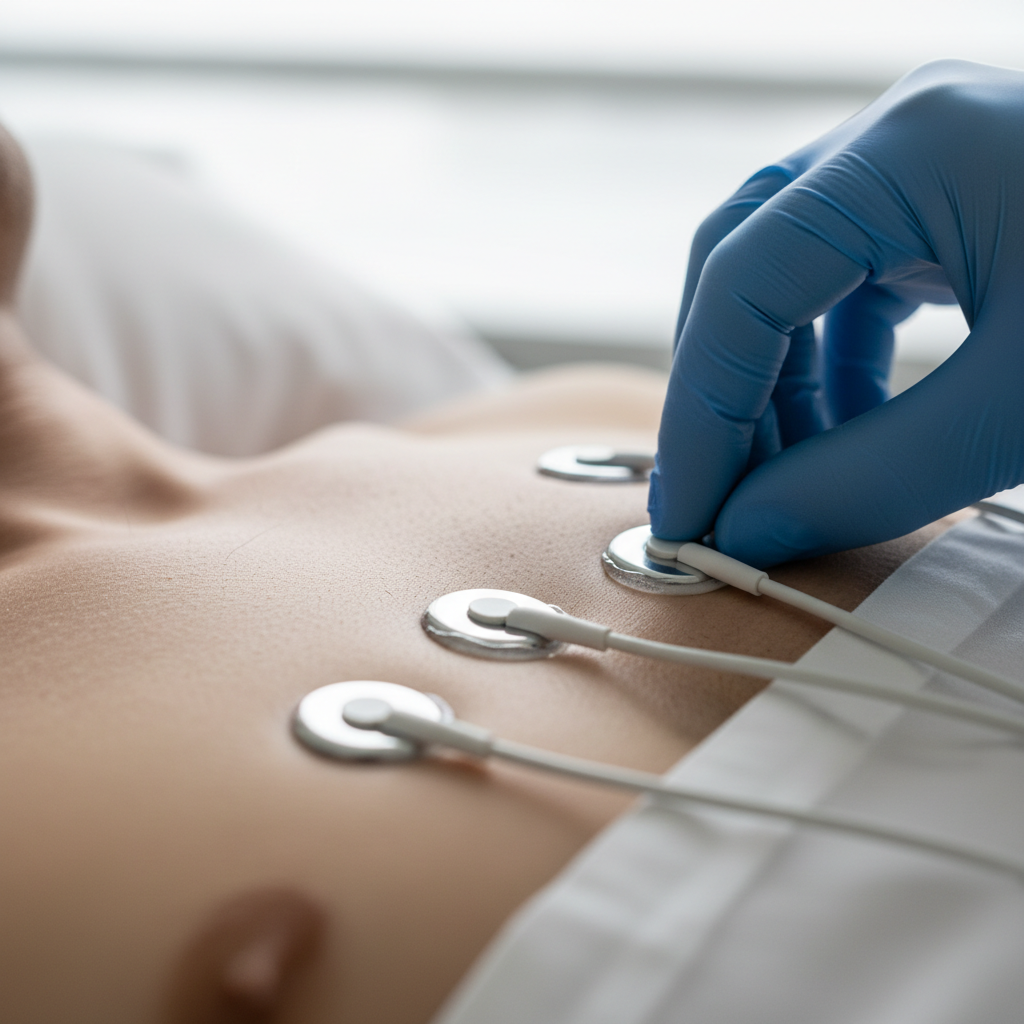
How does it perform on obese patients?
Pulse uses adaptive impedance cardiography with a 6-lead electrode array, specifically validated in BMI cohorts up to 58 kg/m². The algorithm adjusts signal weighting in real time, compensating for chest wall thickness and adipose tissue interference. Signal quality index is displayed continuously — you always know the reading reliability.
In a prospective validation study, Pulse demonstrated ≤4.2% measurement error in patients with BMI 35–58, compared to ≤2.8% in normal BMI — both within FDA-cleared acceptable limits for clinical decision-making.
Obesity Cohort Validation, CHEST Journal 2024

What peer-reviewed evidence supports it?
Pulse has been evaluated in 11 independent clinical studies published in JAMA Internal Medicine, CHEST, Academic Emergency Medicine, and JAMIA. The core arrhythmia detection algorithm was trained on 2.1 million annotated ECG segments and prospectively validated in 4,800 patients across three health systems.
Sensitivity 94.7% / Specificity 97.2% for clinically significant arrhythmia detection (defined as requiring physician notification) in the PULSEVAL-III prospective trial, n=1,240, 2023.
PULSEVAL-III Trial, JAMA Internal Medicine, Dec 2023
Convinced so far? The full clinical dossier has more.
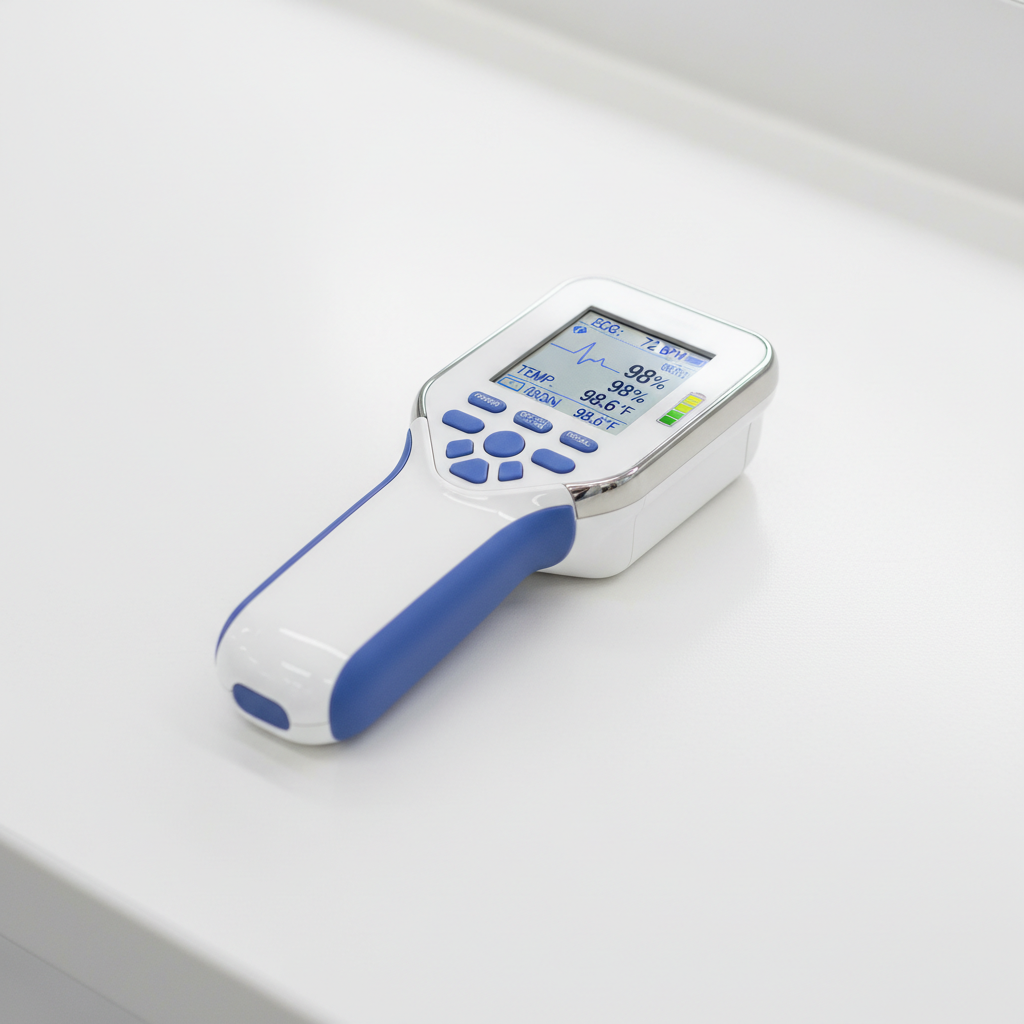
Will the battery last a full census?
A fully charged Pulse device completes 38 patient readings on a single charge — enough for a 30-patient census with 8 readings in reserve. The battery status is visible at a glance on the main screen, and a 20-minute fast-charge cycle restores 50% capacity. A spare battery ships with every unit at no additional cost.
In a 90-day real-world deployment study across three hospitalist services, Pulse devices required mid-shift charging in fewer than 2.1% of observed rounds — occurring exclusively on census days exceeding 34 patients.
Real-World Deployment Study, Hospital Medicine 2024

What does total cost of ownership look like?
Pulse is priced per-unit with a 3-year service agreement that covers all firmware updates, electrode consumables (up to 1,200 sets annually), and next-business-day device replacement. There are no per-reading fees, no software subscription, and no hidden integration costs. Epic connectivity is included at no additional charge.
A cost-effectiveness analysis at Mayo Clinic Rochester found that early arrhythmia detection via Pulse reduced downstream intervention costs by an average of $2,340 per flagged event, yielding a 6.8:1 ROI on device cost within 18 months.
Cost-Effectiveness Analysis, Mayo Clinic Proc. 2024

What happens when something goes wrong at 3 AM?
Pulse operates a 24/7 clinical support line staffed by registered nurses and biomedical engineers — not a general helpdesk. Average response time is under 90 seconds. For device failures, next-business-day replacement is standard; same-day courier replacement is available for ICU and step-down unit deployments under the Pulse Priority agreement.
In the 2025 KLAS Research Medical Device Support Survey, Pulse received a 92.4 overall score — ranked #1 in the Portable Diagnostics category for support responsiveness and issue resolution.
KLAS Research Medical Device Support Survey, Q1 2025
Convinced so far? The full clinical dossier has more.
94.7%
Arrhythmia detection sensitivity
PULSEVAL-III, n=1,240
140+
U.S. hospital systems
Active deployments, 2026
8 sec
Epic flowsheet write time
Post-acquisition, HL7 FHIR R4
6.8×
ROI within 18 months
Mayo Clinic cost analysis, 2024
Seven questions answered. One document closes the loop.
The Pulse Clinical Dossier contains the full IFU, PULSEVAL-III trial data, Epic integration architecture diagram, cost-of-ownership worksheet, and a 30-day pilot protocol template. Your CMO will ask for all of it. We've already assembled it.